An unsuccessful first inspection does not mean the vehicle can never be approved. It means that one or more points must be resolved before the centre can confirm compliance.
The required action depends on the finding. Some issues may involve a component that needs repair or adjustment. Others may involve missing evidence, an identification inconsistency or a modification that requires clarification.
What happens immediately after an unsuccessful test?
Before leaving the centre, make sure you understand:
- Which inspection points were not accepted
- Whether the issue is mechanical, electrical, environmental or documentary
- What must be repaired, adjusted or demonstrated
- Whether supporting documents are required
- How to arrange the next inspection
- Whether a reinspection fee applies
- Whether there is a relevant deadline
Do not rely on memory if several items were discussed. Ask for the available result or inspection information and keep it with the vehicle records.
Common areas that can require attention
SVA inspections consider vehicle safety, environmental performance and construction requirements. Depending on the vehicle, attention may be needed in areas such as:
- Lighting, signalling or headlamp aim
- Windscreen, glazing, wipers or washers
- Mirrors, doors, latches or hinges
- Seats, seat belts or anchorages
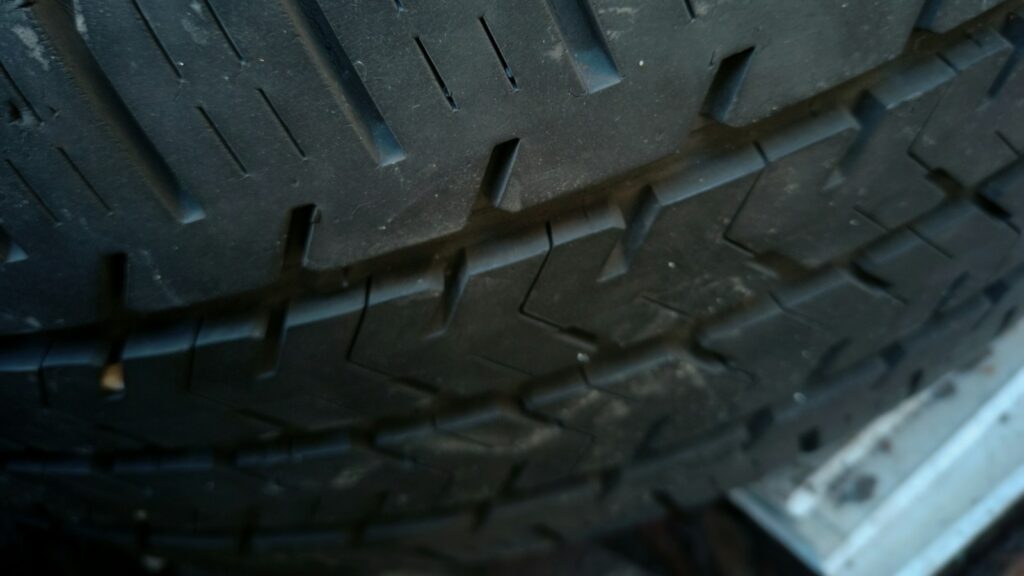
- Tyres, steering, suspension or brakes
- Noise, exhaust smoke or emissions
- Vehicle identification or supporting documents
- Non-standard parts or undeclared modifications
This list is illustrative, not a prediction of why a particular vehicle will fail. Review the site’s SVA inspection checklist and the Cyprus Road Transport Department’s information on individual vehicle type approval.
Arrange the correct repair
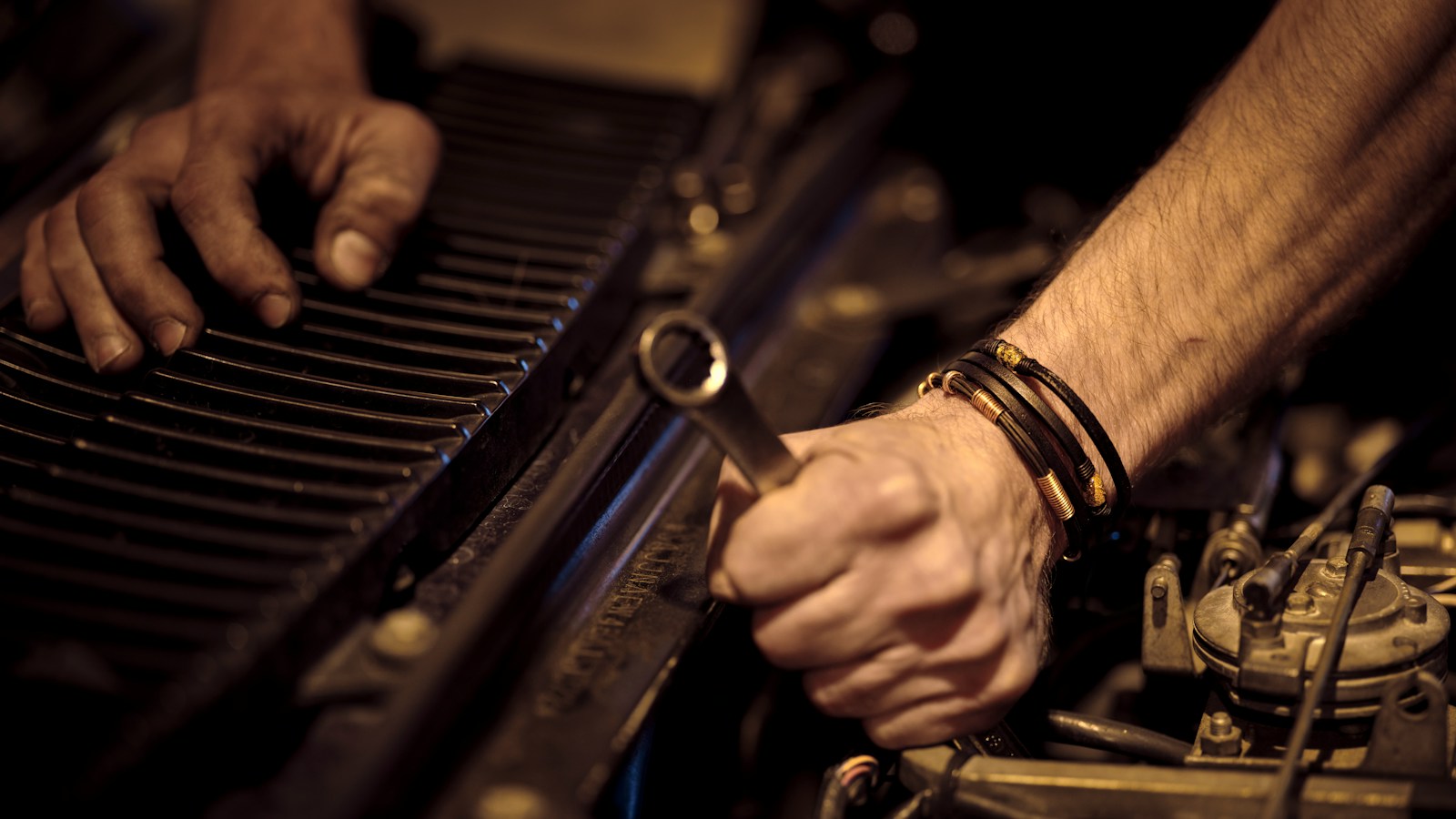
Give the repairer the precise inspection finding instead of requesting a general “SVA preparation.” A repair that does not address the recorded issue can result in another unsuccessful inspection.
If the point relates to a modification or approval document, mechanical work alone may not solve it. Contact the centre before purchasing parts or changing the vehicle if the required remedy is unclear.
Keep invoices, technical information and photographs where appropriate. They may help document what was corrected, although the centre will decide what evidence or physical inspection is required.
Practical retest checklist
- Review every recorded finding.
- Ask questions about any unclear wording.
- Use a suitable repairer for the work required.
- Do not make unrelated modifications before the retest.
- Check that repaired systems operate correctly.
- Collect invoices and supporting technical documents.
- Confirm whether original documents must be presented again.
- Ask what the reinspection will cover.
- Confirm the available date, arrival instructions and current fee.
- Transport the vehicle lawfully and safely.
Will only the failed items be checked again?
That depends on the applicable procedure, the result and any changes made to the vehicle. Do not assume that a reinspection will always be limited to one component. Ask the centre what will be examined and avoid altering other inspected systems between visits.
If significant time has passed, the vehicle has changed or a new safety concern is visible, further assessment may be necessary.
Can I drive the vehicle after a failed SVA test?
An SVA appointment does not itself make an unregistered or uninsured vehicle legal to use on public roads. Its lawful movement depends on its registration, insurance, customs status and any other applicable permissions.
Ask the appropriate authority or a qualified transport provider if you are uncertain. Do not treat an appointment confirmation or failed inspection record as permission to drive.
What if I disagree with a finding?
Start by asking the centre to explain the inspection point and the evidence needed. Keep the discussion focused on the applicable requirement and the vehicle as presented.
If a regulatory interpretation remains unresolved, request guidance from the Cyprus Road Transport Department. Its published vehicle-registration information provides official context, but vehicle-specific questions may require direct confirmation.
Preparing for a successful return visit
Book the retest only when the identified issues have been properly addressed and any requested documentation is ready. A rushed return visit can add more delay and cost.
Bring the previous result information, repair evidence and original vehicle documents. Arrive at the confirmed time and tell the centre about every change made since the first test.
Official sources
Arrange SVA reinspection in Larnaca
If your vehicle needs another inspection, send the team the vehicle details and information from the previous result. We can review the appointment request and explain what information to provide before you return.