
Cyprus drives on the left, so owners often ask whether a left-hand-drive car can be registered at all. Steering position is important, but it is not the only factor. Country of import, first-registration date, vehicle category, type-approval evidence and any modifications all affect the route.
A car having valid plates or a roadworthiness certificate in another country does not automatically complete the Cyprus process. Approval, MOT, Customs and registration remain distinct.
What the official registration guidance says
The Cyprus Road Transport Department’s vehicle-registration guidance lists documents by route. For a used vehicle imported from an EU member state, it specifically lists form TOM 139B, the SVA certificate, where the vehicle is left-hand drive.
For used M1 passenger vehicles from a country outside the EU, individual approval may be relevant because of the third-country origin regardless of whether the steering wheel is on the left or right. That is why a German vehicle and a left-hand-drive vehicle imported from Japan or the United States should not be treated as the same paperwork case.
Why left-hand drive matters in a country that drives on the left
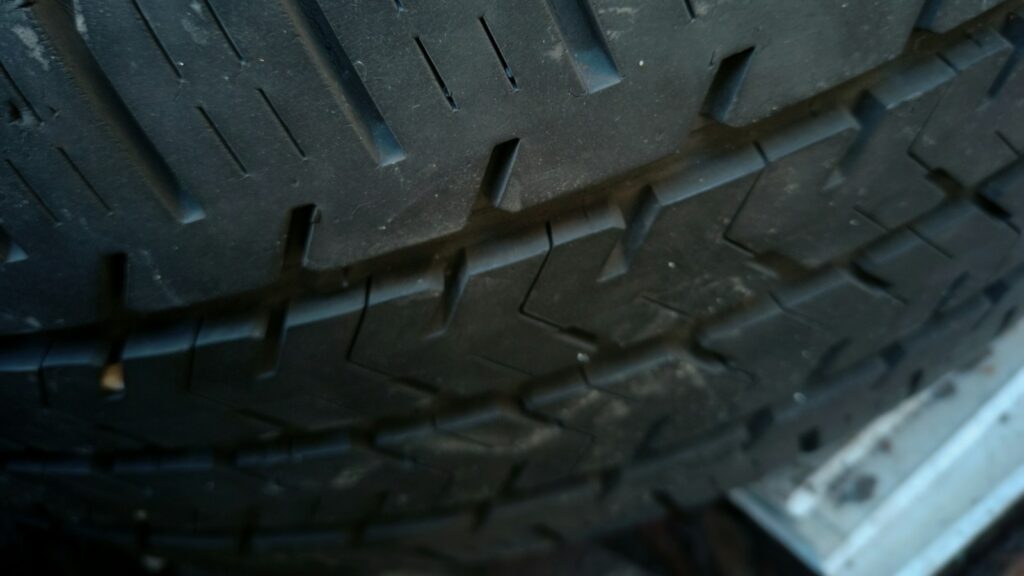
The purpose of SVA is to assess an individual vehicle against the applicable safety, environmental and construction requirements. The inspection is broader than the position of the steering wheel. It can cover visibility, glazing, lamps and signalling, seat belts, brakes, steering, suspension, tyres, noise, emissions and identification.
Market-specific equipment deserves attention. Headlamp beam pattern, rear lighting, glazing markings and driver information may differ between countries. Do not order parts based on a generic online list, because the required work depends on the exact model and existing specification. An inspection or informed pre-check should establish what, if anything, needs correction.
EU and non-EU left-hand-drive imports
A used vehicle coming from the EU
Gather the original foreign registration certificate, ownership evidence and any Certificate of Conformity or type-approval information. The RTD list can also require an MOT certificate, emissions documentation, insurance and the SVA certificate for a left-hand-drive vehicle, depending on the case. If the foreign registration document is not in Greek or English, the official guidance calls for a translation.
A used vehicle coming from outside the EU
Start with both technical eligibility and Customs. A used M1 passenger vehicle is generally subject to the five-year age limit on arrival, with specific statutory exceptions. Customs may need an import declaration, invoice, shipping and insurance evidence, and the original foreign registration document. These Customs documents do not replace the SVA evidence used for registration.
Transfer-of-residence relief, where available, is also a Customs concession rather than an automatic exemption from technical approval. Confirm both routes before shipping.
Will left-hand drive make a car fail?
Left-hand drive by itself is not a statement that the vehicle will fail. The relevant question is whether the vehicle meets the applicable requirements and has the necessary evidence. Equally, no test centre should guarantee a pass before the vehicle is inspected.
If defects are identified, the Cyprus SVA rules provide a route for re-examination after they are corrected. Plan for proper repairs and evidence rather than cosmetic or temporary changes.
Left-hand-drive import checklist
- Record the VIN, vehicle category, first-registration date and steering position.
- Confirm whether the vehicle is arriving from an EU member state or a third country.
- Collect the original foreign registration document and proof of ownership.
- Arrange an official translation if a required foreign registration document is not in Greek or English.
- Provide any Certificate of Conformity or type-approval number for review.
- Check headlights, indicators, rear lamps, glazing, mirrors and dashboard warning lights.
- Check tyres, seat belts, brakes, steering and visible vehicle identification.
- Confirm separately what is needed for Customs, MOT, insurance and registration.
Read the full SVA inspection checklist before presenting the vehicle and see how the Larnaca SVA procedure works. If you are still unsure about eligibility, start with which vehicles need SVA in Cyprus.
Official sources
Request a left-hand-drive SVA appointment in Larnaca
Send the vehicle origin, chassis number and documents to the Larnaca team so we can review the information needed for the appropriate test route.